Located in Lower Silesia, Legnica is a city shaped by centuries of political change, cultural development and industrial growth. Known internationally for the medieval Battle of Legnica in 1241, the city also has deep connections with the Piast dynasty and the copper industry that continues to influence the region today.
From medieval fortifications and royal connections to modern economic importance, Legnica offers a fascinating insight into the changing history of southwestern Poland.
The Battle of Legnica: A Medieval Turning Point
On 9 April 1241, a major battle took place near Legnica at Legnickie Pole, around 10 kilometres southeast of the city. The clash formed part of the wider Mongol invasion of Europe and became one of the most significant military events of the medieval period.
A European force led by Duke Henry II the Pious of Silesia confronted the advancing Mongol army. The defenders included troops from Polish and neighbouring territories, as well as knights associated with military orders such as the Templars and Hospitallers.
Historical accounts describe additional participants, including miners from Central Europe, although the exact composition of the forces involved varies between sources. Medieval records were often written from different perspectives and sometimes combined historical facts with later traditions, meaning some details remain debated among historians.
The battle ended with the defeat of the European forces and the death of Duke Henry II. The Mongol army later withdrew from Central Europe, partly due to developments within the Mongol Empire, and Legnickie Pole became remembered as the westernmost point reached during this campaign.
Today, the battlefield remains an important historical site, connecting Legnica with one of Europe’s best-known medieval conflicts.
Piast Heritage: From Early Settlement to Regional Centre
Legnica’s history extends back centuries before the famous battle. Archaeological research indicates early settlement activity in the area, with evidence suggesting the presence of a fortified settlement during the early period of the Piast dynasty.
However, interpretations of the earliest settlement history vary. Archaeological findings, written records and historical studies do not always provide a complete picture of the city’s beginnings, and researchers continue to debate aspects of its early development.
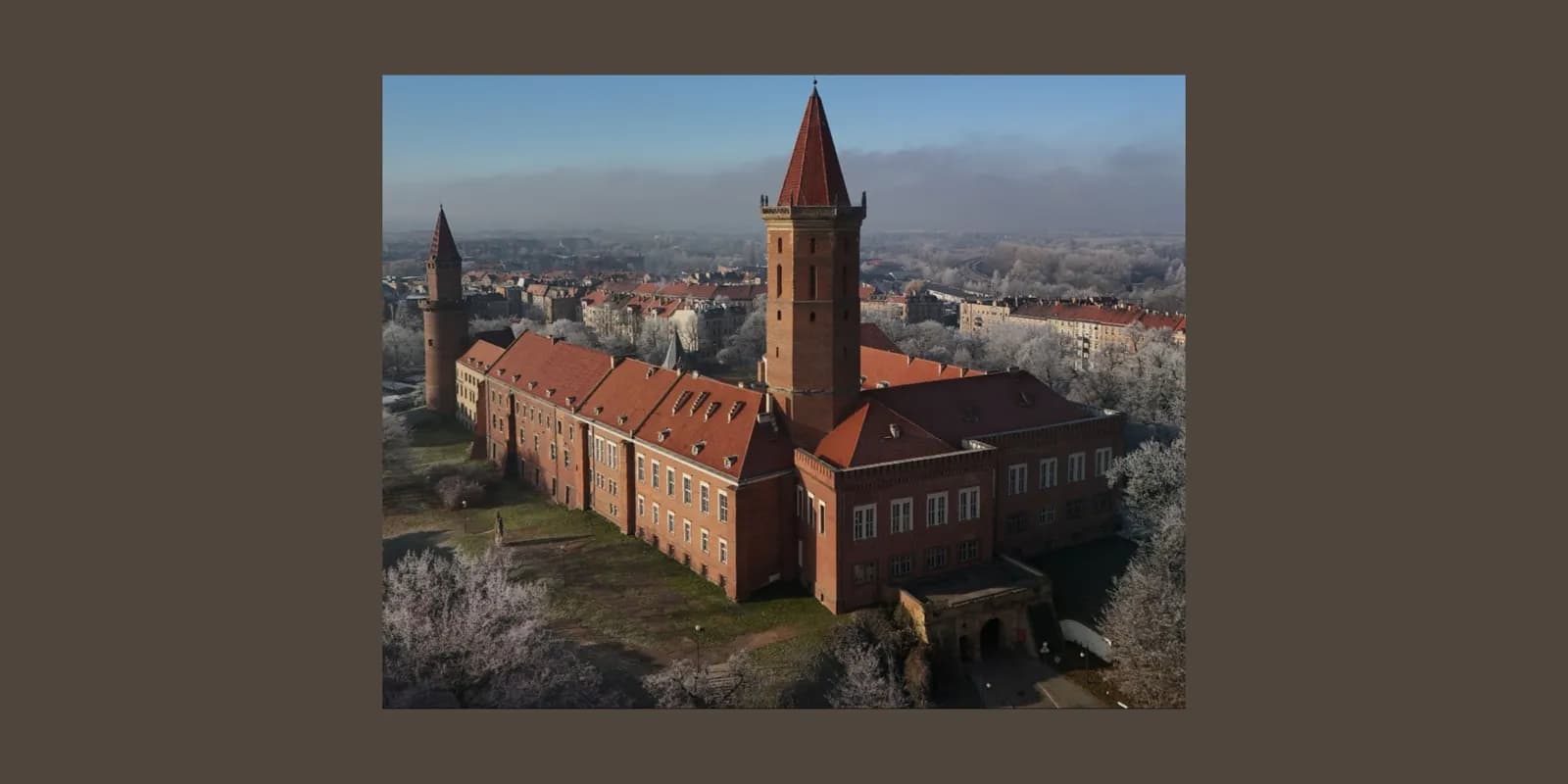
What is clear is that Legnica became an important strategic location within medieval Silesia. By the 12th century, it had developed into a significant administrative and defensive centre, benefiting from its position and natural surroundings.
During the fragmentation of the Polish Kingdom following the death of Bolesław III Wrymouth, Legnica remained connected with Piast rule and later became the centre of one of the Silesian duchies.
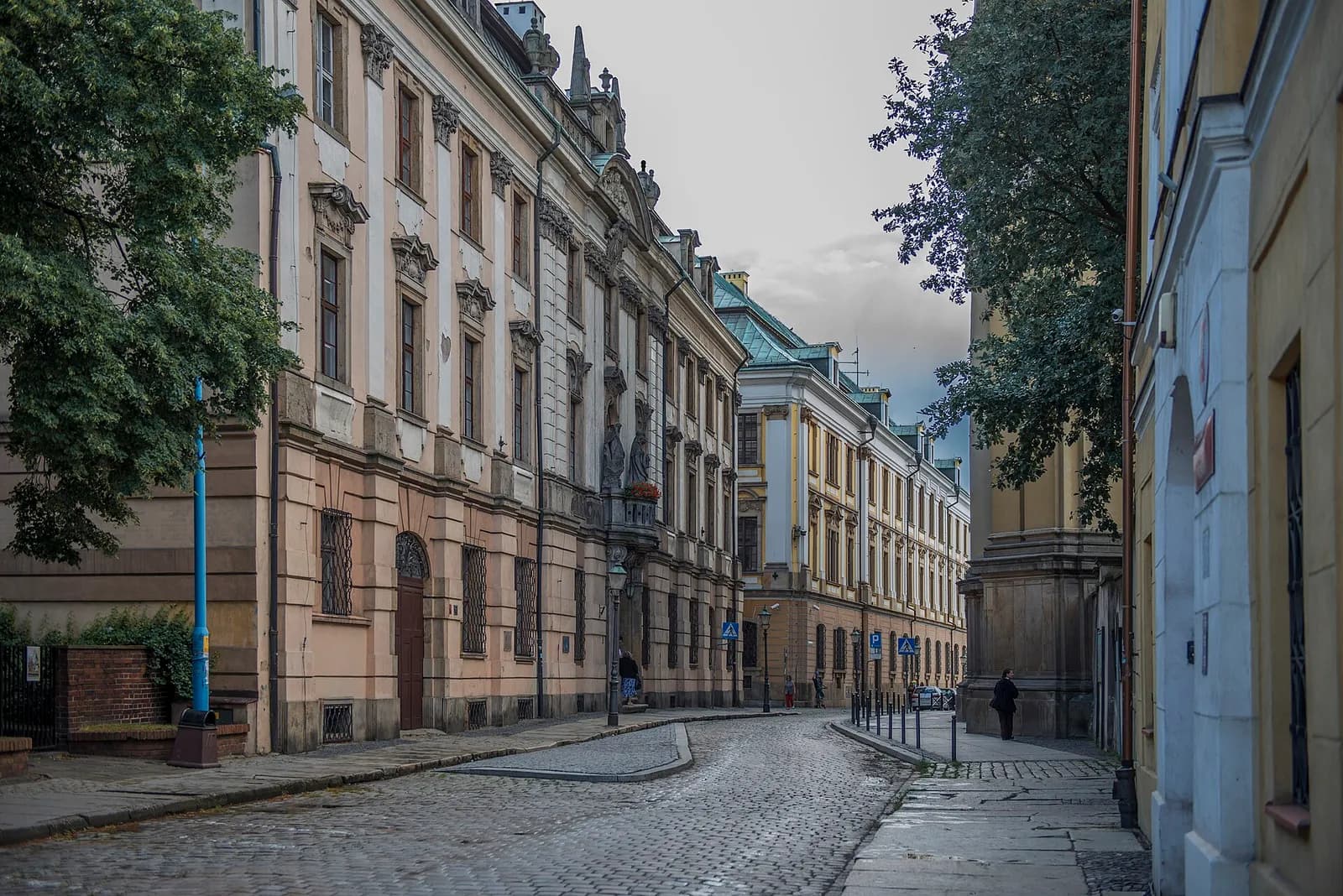
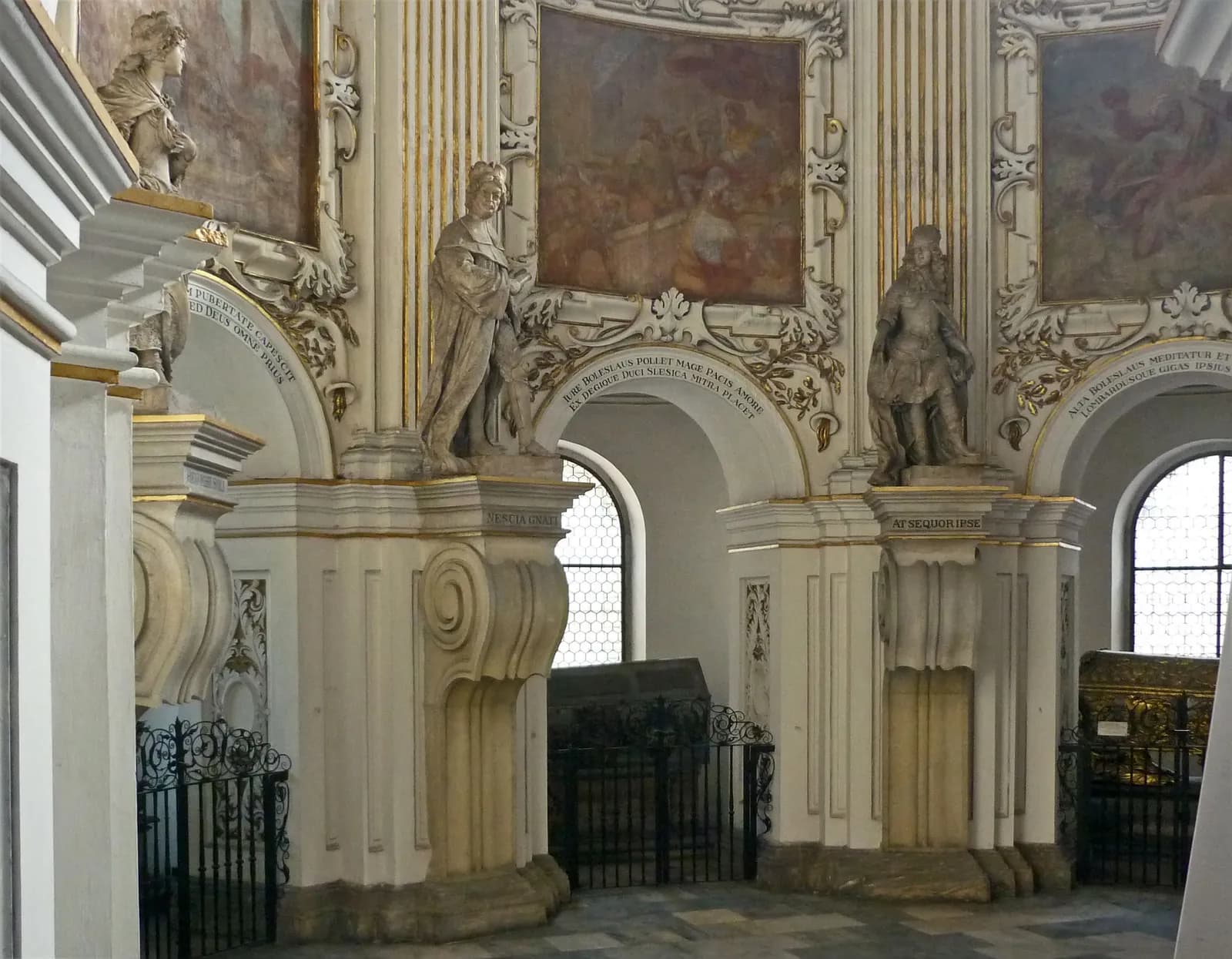
The legacy of the Piast dynasty remains visible today through the city’s historic architecture, monuments and cultural identity.
Legnica and the Copper Heritage of Lower Silesia
Beyond its medieval history, Legnica is strongly connected with the copper industry that has shaped the economic development of the region.
Located within Lower Silesia’s copper-rich area, the city became part of one of Poland’s most important mining regions. Copper extraction and processing have contributed significantly to employment, infrastructure and regional development.
The city’s connection with copper heritage is preserved at the Museum of Copper (Muzeum Miedzi), which explores the importance of mining, metallurgy and local history.
While industrial traditions belong largely to the modern era, evidence of mining activity in the wider region reaches back centuries. The presence of miners among forces connected with the 1241 battle is one example often cited when discussing the long history of mining in the area, although historical interpretations differ.
A City Shaped by Many Layers of History
Legnica’s identity has been formed through many different periods: medieval conflicts, Piast rule, changing political borders and industrial transformation.
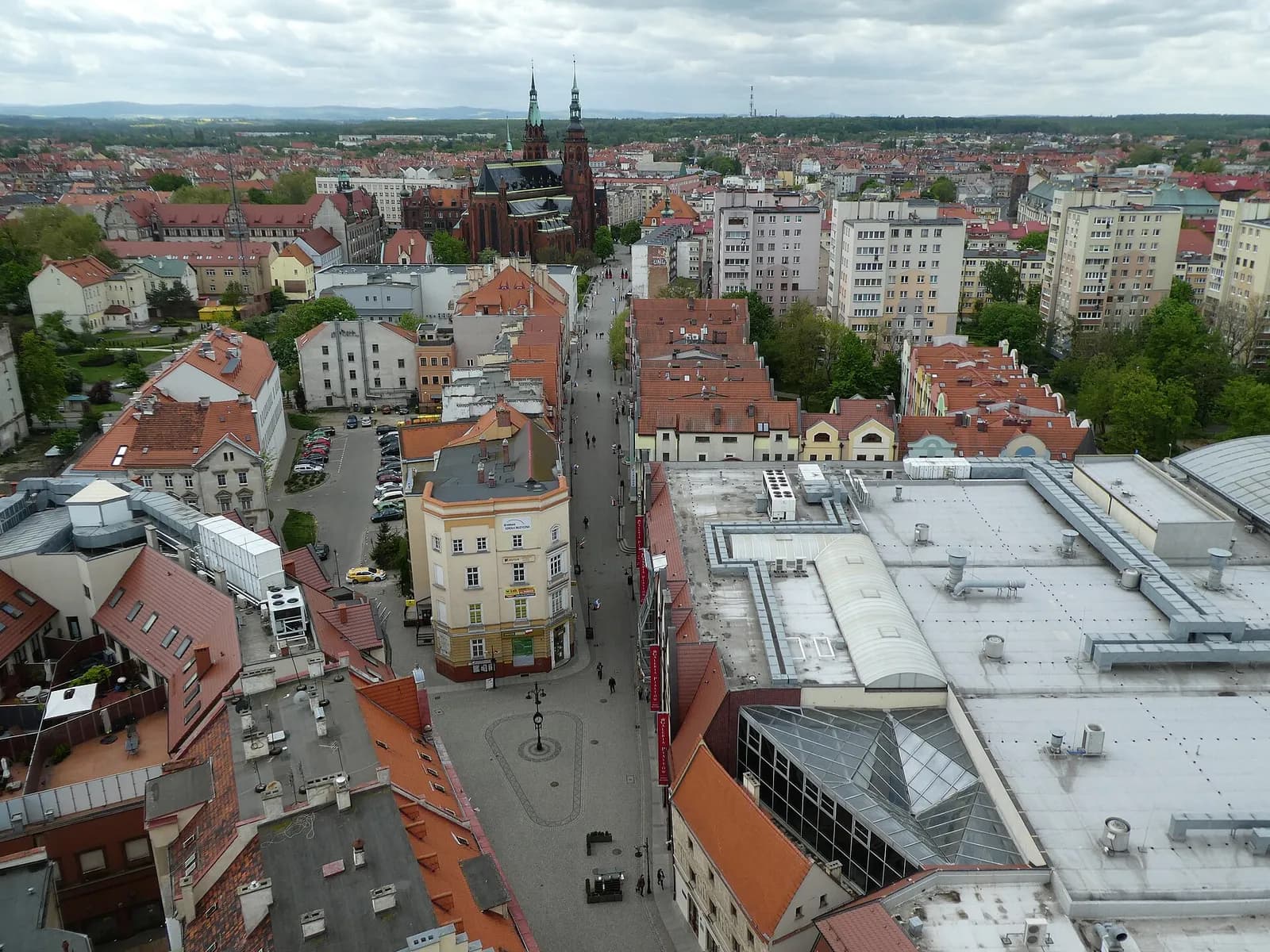
The city’s historic centre, museums and surrounding heritage sites reveal a place where different chapters of European history meet. The battlefield at Legnickie Pole, medieval landmarks and copper traditions each contribute to understanding the city’s role in Lower Silesia.
Legnica is a city where medieval history and modern industry exist side by side. Its connection to the 1241 Battle of Legnica, the Piast dynasty and the copper industry reflects the many forces that have shaped Lower Silesia over centuries.
By preserving its heritage while continuing to develop as a modern regional centre, Legnica remains an important destination for those interested in Poland’s history and cultural landscape.