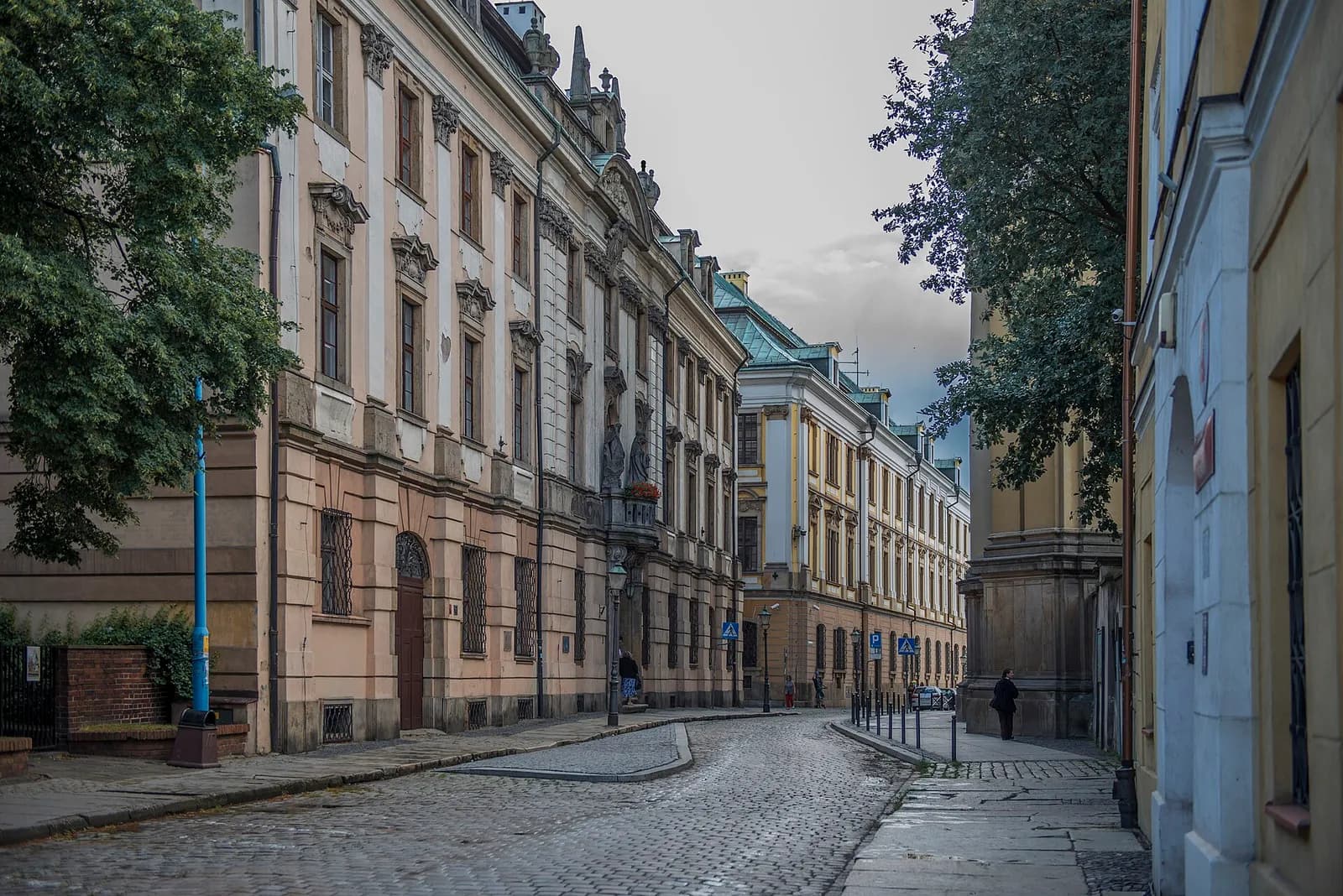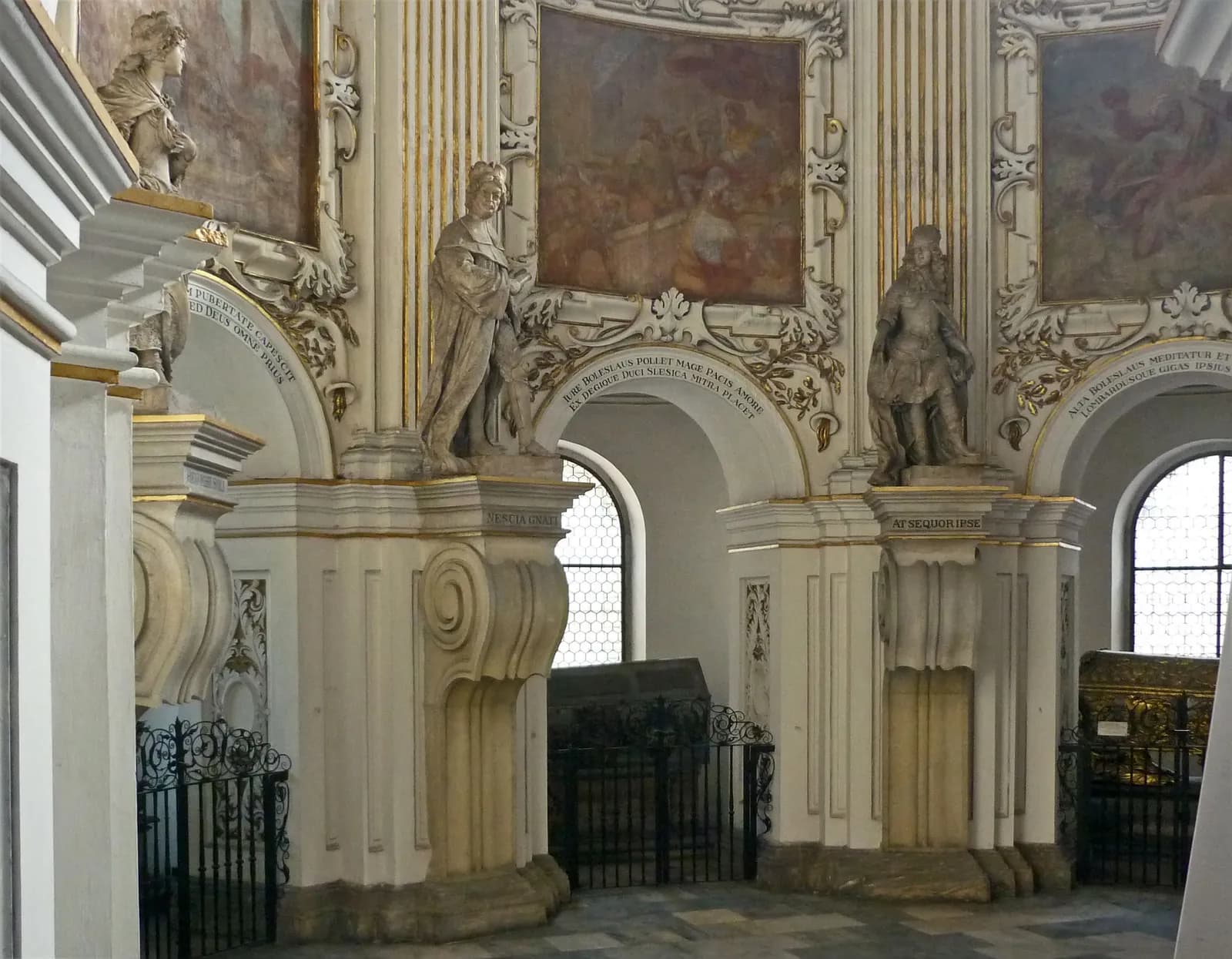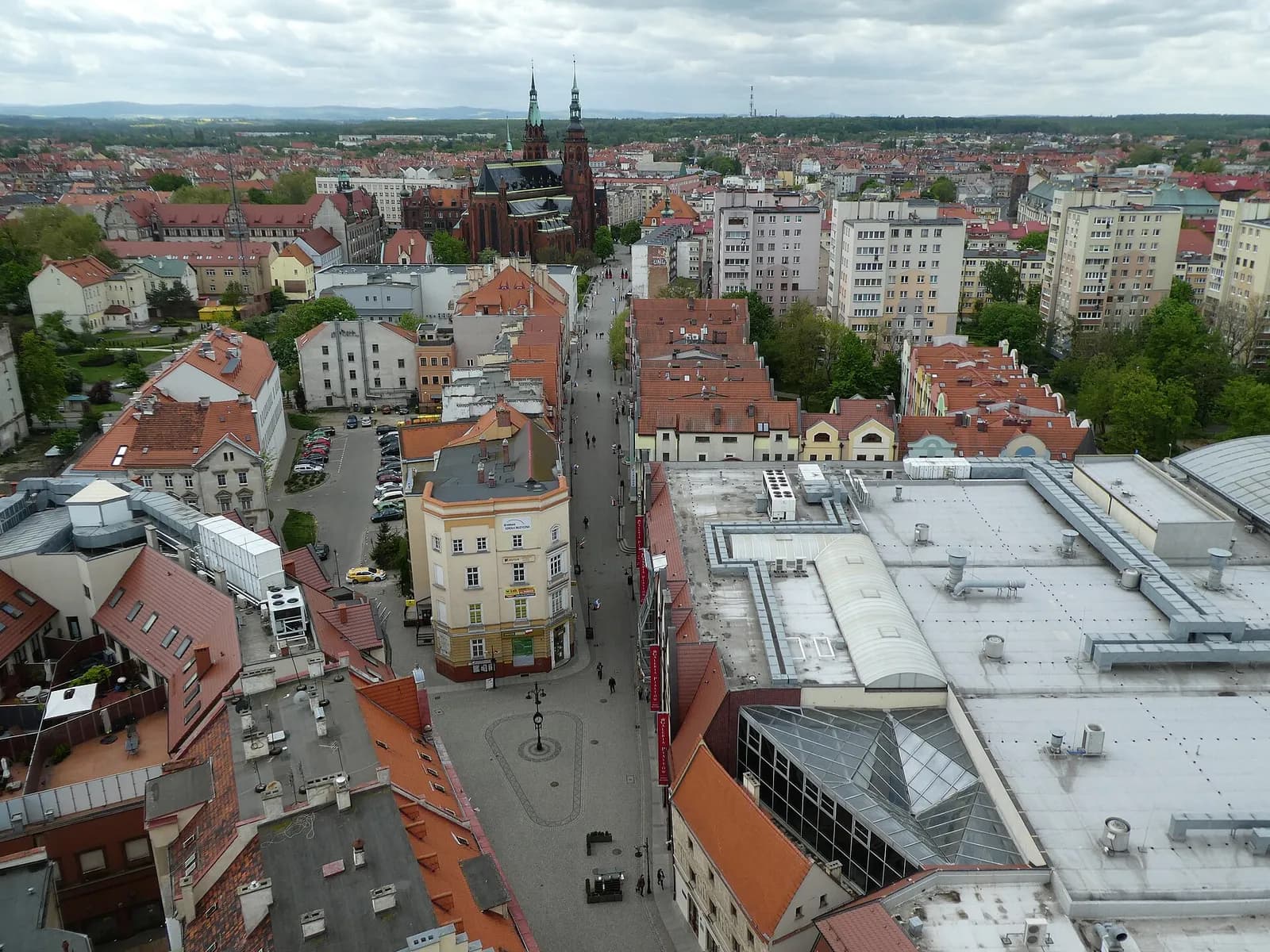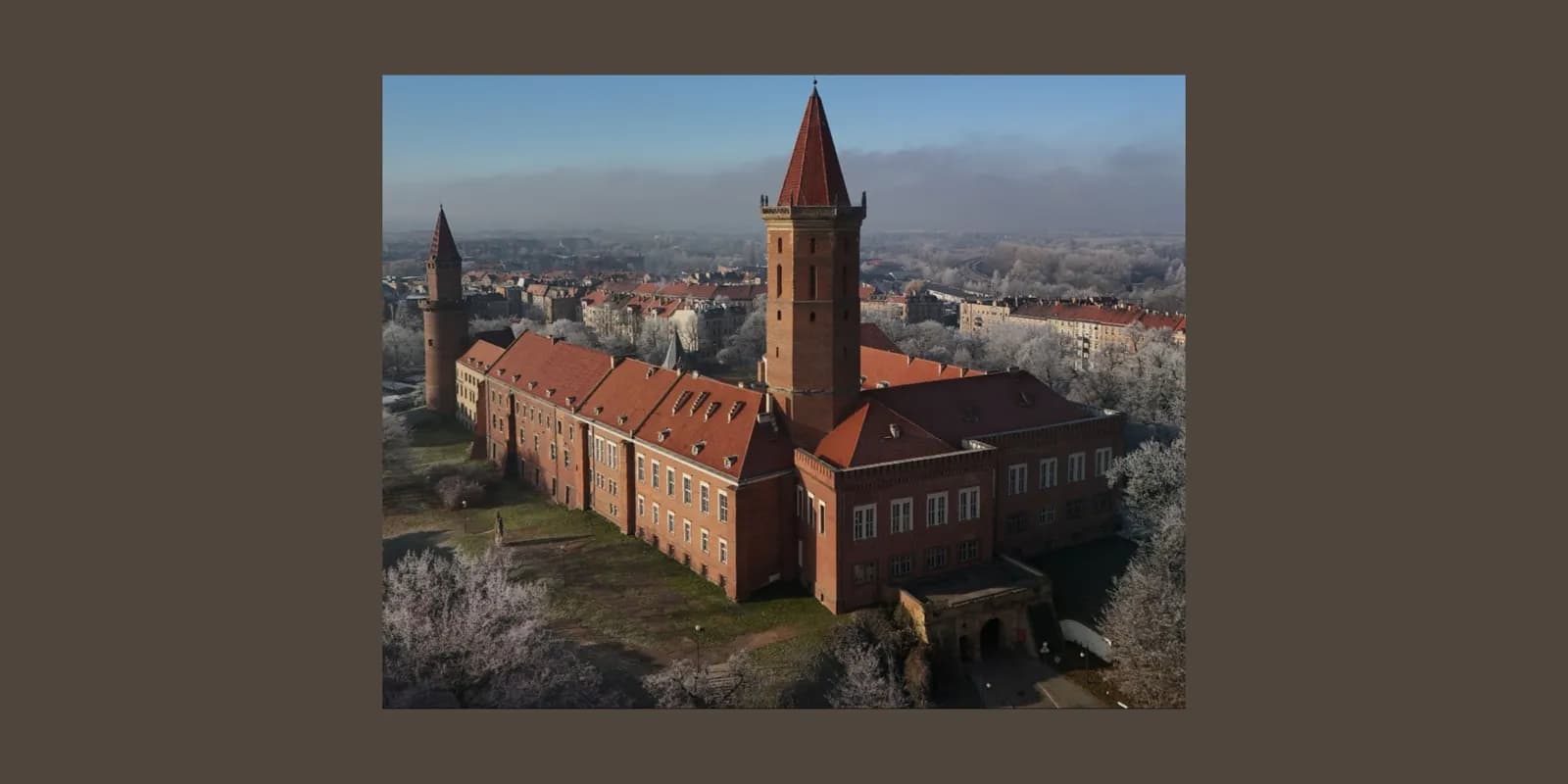
At the heart of Legnica, the Piast Castle has watched over the city for more than eight centuries. It has survived medieval conflicts, royal successions, Renaissance rebuilding and changing borders, and remains as one of Lower Silesia's most recognisable landmarks.
As the former seat of the Silesian Piast rulers, the castle played a central role in the region's political and cultural history. Today, it continues to tell the story of one of Poland's oldest masonry castles and the dynasty that helped shape medieval Silesia.
Where the Story Begins
Long before the castle's stone walls appeared, the site was already an important stronghold. Archaeological discoveries show that defensive settlements existed here as early as the late eighth century, while by the tenth century, a fortified settlement had become part of the growing Piast state.
The first written reference to the castle dates from 1149, although its transformation into a substantial stone residence took place during the late twelfth and early thirteenth centuries under Bolesław I the Tall and later Henry the Bearded.
At a time when most fortifications in the region were still built from timber and earth, the rulers of Legnica invested in one of the earliest brick and stone castles in what is now Poland, creating a residence that reflected both military strength and growing political influence.
Home of the Silesian Piasts
For centuries, Piast Castle served as the residence of the Dukes of Legnica and one of the most important centres of power in Silesia.
Among its best-known residents was Henry the Bearded, whose rule helped strengthen the duchy and establish Legnica as an important medieval city. His son, Henry the Pious, became one of the defining figures in Polish history after leading Christian forces against the Mongol invasion at the Battle of Legnica in 1241, where he was killed.
The castle remained in Piast hands until 1675, when George William of Legnica, the last male representative of the Silesian Piast dynasty, died without an heir. His death marked the end of a royal family whose roots stretched back to the earliest days of the Polish state.
A Castle Shaped by the Centuries
Like many historic castles across Europe, Piast Castle changed with the times.
During the sixteenth century, Duke Frederick II introduced major Renaissance improvements that transformed the medieval fortress into a more comfortable princely residence. New architectural features, including an impressive entrance gate, reflected the changing tastes of the period while preserving the castle's defensive character.
Following the end of the Piast rule, the castle passed through Austrian and later Prussian administration before becoming part of modern Poland after the Second World War.
Although altered over the centuries, many of its historic features remain remarkably well preserved.
Medieval Treasures Still Standing
Several parts of the castle continue to reveal its medieval origins.
The impressive St Peter's Tower, with its distinctive octagonal design, remains one of the oldest surviving sections of the complex and once formed a key part of the castle's defences.
Nearby stands St Hedwig's Tower, named after Saint Hedwig of Silesia, whose interiors still contain traces of historic decorative paintings.
Within the grounds are the remains of the Romanesque Chapel of St Benedict and St Lawrence, offering a glimpse into the religious life of the Piast court and some of the earliest stone architecture in the region.
Five Fascinating Facts About Piast Castle
It Is One of Poland's Oldest Stone Castles
Piast Castle is widely regarded as one of the country's earliest masonry castles, making it a landmark in the development of medieval architecture in Poland.
The Site Is Older Than the Castle Itself
The castle stands on the remains of much earlier fortified settlements, meaning the hill has been occupied for well over a thousand years.
It Was Home to the Last Silesian Piasts
The final chapter of the Piast dynasty was written in Legnica. When George William died in 1675, the Silesian branch of one of Poland's oldest ruling families came to an end.
Every Era Left Its Mark
Romanesque foundations, Gothic towers, Renaissance additions and later administrative alterations all coexist within the same complex, making the castle a fascinating record of changing architectural styles.
It Remains Part of Everyday Life In Legnica
Unlike many historic castles preserved solely as museums, Piast Castle continues to serve the community. It houses educational institutions and regularly forms part of cultural events, ensuring the site remains a living part of the city.
A Landmark at the Heart of Legnica
Piast Castle is one of those places where every stone reflects a different chapter of history. From the rise of the Piast dynasty and the dramatic events surrounding the Battle of Legnica to Renaissance grandeur and modern-day community life, the castle continues to stand as one of Lower Silesia's most significant historic landmarks.
For anyone interested in Poland's medieval heritage, it remains one of Legnica's essential places to explore.
image credit: Longmannn, CC BY-SA 4.0